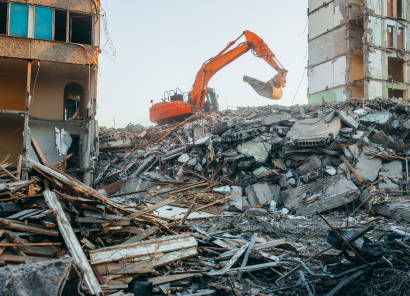

Recycling is the most important aspect of the Circular Economy that BWM has set out to achieve. In the normal economy, a certain enterprise or business produces a product, then it is consumed by the end user and at the end of that product's lifetime, it is discarded out of use. At BWM, we have decided to recycle the end-of-life product, or some parts of it thereof; making it reusable and keeping the economy flowing in a circular motion. Recycling of the materials in this way helps longer the lifetime of products, and also decreases pressure on the environment. If we continually keep disposing of the products, we need to keep sourcing raw materials from mother nature, harming our Earth in a very negative way. Reusing the materials not only reduces this unnecessary burden of extracting more and more raw materials but also helps lower greenhouse gas emissions during the production of newer sets of products. Thus, at BWM we believe that recyclability is the most important aspect of not only Circular Economy, but all of human life in general.
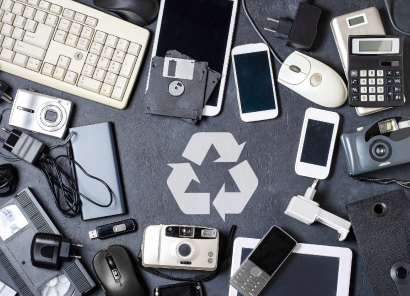
Electronic Waste Recycling
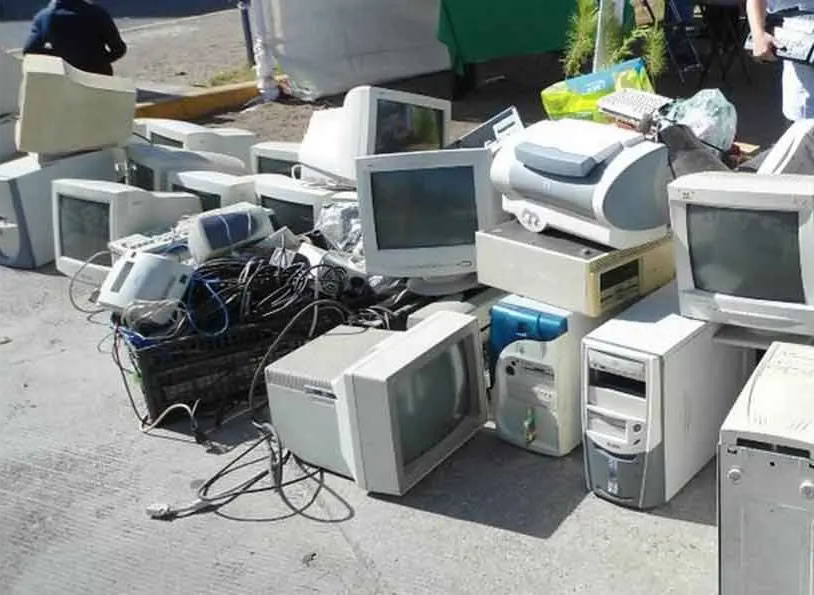
Proper electronic waste management not only safeguards the environment but also ensures compliance with national and international regulations. Furthermore, it enhances the quality of our environment and fosters a culture of sustainability. We provide convenient e-waste collection services, offering scheduled pickups or drop-off locations. Corporations can rely on us to collect a wide range of electronic devices, including old computers, printers, monitors, smartphones, and more.
Henceforth, I’m not including the screenshot images. Keep the headings same as they are, and replace the old content with given new one.
Read MoreIT Asset Disposal
In India, IT Asset Disposal (ITAD) has shifted from simple "junk removal" to a highly regulated corporate necessity. As of 2026, the landscape is governed by stringent E-Waste (Management) Rules and a strong push for Extended Producer Responsibility (EPR).Centralised CPCB Portal: All disposal must be tracked via the Central Pollution Control Board (CPCB) portal. This portal is now linked to GST and Customs data, making it virtually impossible for companies to dispose of assets "off the books."The "Polluter Pays" Principle: If an organization fails to dispose of IT assets through authorized channels, they face heavy financial penalties (Environmental Compensation).
Read More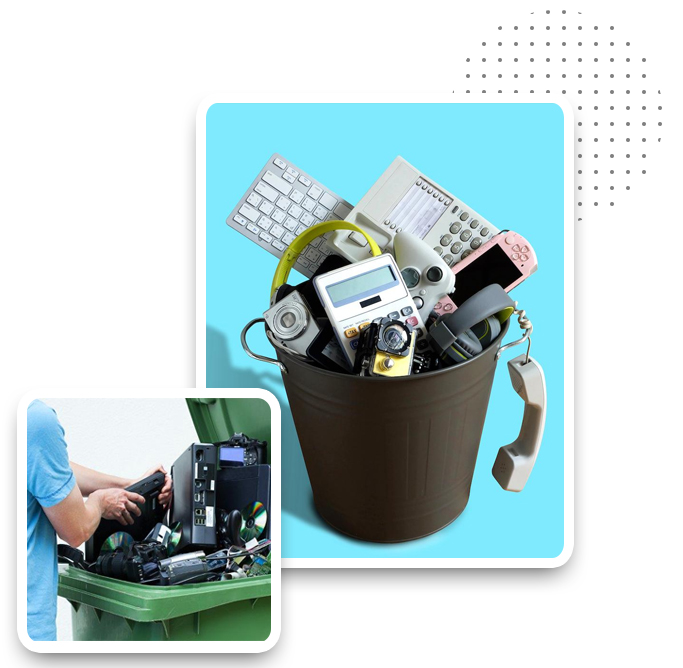
Server Recycling
Server recycling in India has become a highly sophisticated sector, especially in 2026, driven by the Digital Personal Data Protection (DPDP) Act and updated E-Waste Rules. Unlike common consumer electronics, servers require a much more rigorous "Chain of Custody" due to the volume of sensitive data they hold. DPDP Act (2023/2026): If a discarded server hard drive is found with recoverable data, the company can face penalties of up to ₹250 crore. Merely deleting files is no longer legally sufficient; you must prove the data is "irretrievable".
Read MoreLaptop Recycling
Laptop recycling in India has entered a highly regulated era as of 2026. With the E-Waste (Management) Rules becoming more stringent, disposing of a laptop is no longer just about clear-cut "scrapping"—it’s about data security and high-value material recovery. Here is the current state of laptop recycling for individuals and businesses in India
Read More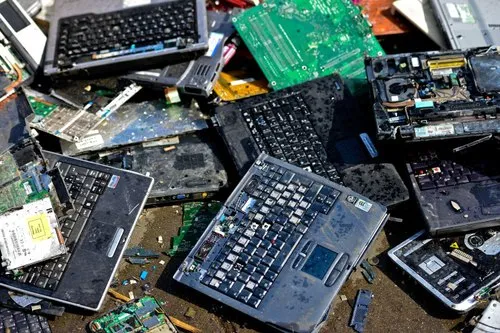
Desktop Disposal
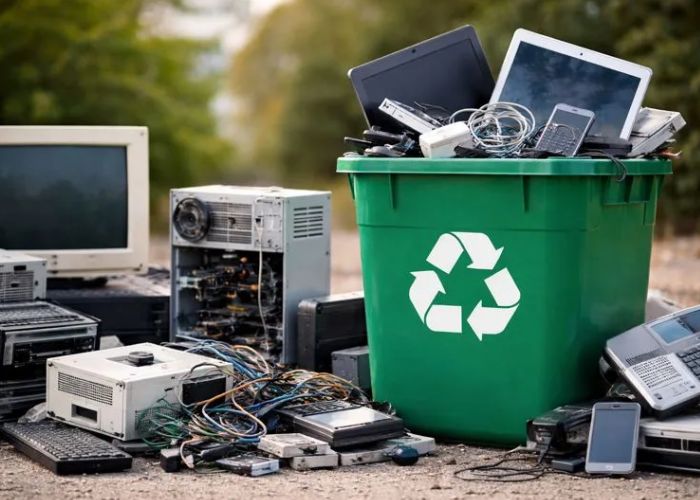
Desktop disposal in India has undergone a massive transformation with the enforcement of the Solid Waste Management Rules, 2026 and the E-Waste (Management) Amendment Rules, 2025. For a desktop—which is bulkier and more complex than a laptop—the process is now strictly monitored through a digital "cradle-to-grave" tracking system.Under the Solid Waste Management Rules, 2026 (effective April 1st), "four-stream segregation" is now mandatory.
Read MoreCorporate E-waste Pickup
In 2026, corporate e-waste pickup in India is no longer a simple logistics service; it is a digitally-tracked legal process integrated with your company’s tax and environmental profile. With the Solid Waste Management Rules, 2026 now in full effect (as of April 1st), the government has shifted toward a "Zero-Leakage" policy. Source Segregation: You are legally required to segregate electronics into the "Special Care Waste" stream. Handing these to a general waste collector is now a punishable offense under the Polluter Pays principle.
Read More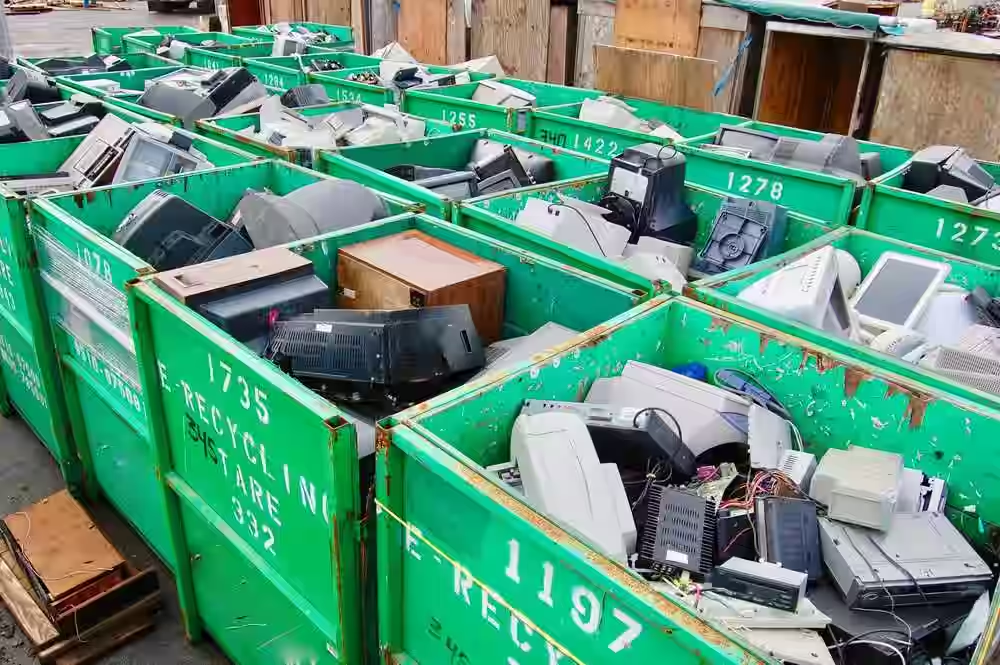
Data Destruction
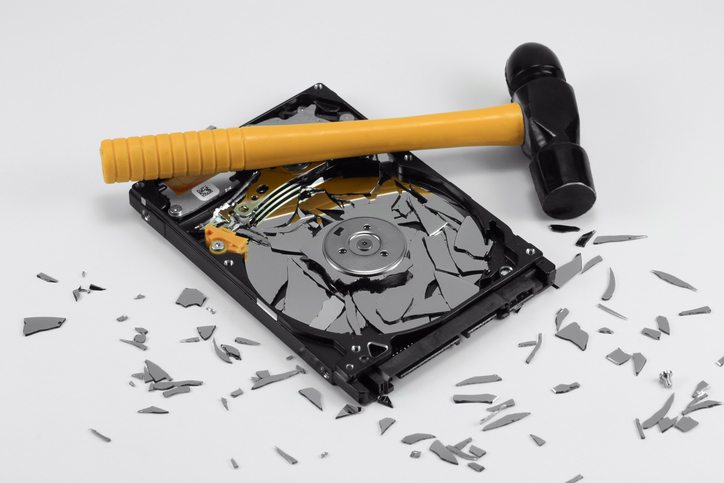
In India, Data Destruction has evolved from a simple "delete and format" routine into a high-stakes legal requirement. As of 2026, the landscape is defined by massive financial penalties and strict technical standards.To meet 2026 compliance, many Indian firms no longer allow data-bearing assets to leave their premises "intact."On-Site Data Destruction: Vendors like Techazar or Ecoreco bring specialized mobile shredding trucks to your office parking lot. You can watch your hard drives being pulverized in real-time.Unauthorized Vendors: Handing drives to a local scrap dealer (kabadiwala) is a direct violation of both the E-Waste Rules and the DPDP Act.
Read MoreOffice Electronics Eecycling
Asset Tagging & Inventory: Vendors create a serialized list of every item—from UPS systems and projectors to keyboards and mice—before they leave your premises. Reverse Logistics: Authorized recyclers (like Attero, Saahas Zero Waste, or Ecoreco) use secure, GPS-tracked vehicles to ensure that hazardous waste (like leading monitors or lithium in laptop batteries) does not leak into the informal "kabadiwala" sector. EPR Credit Integration: If your business is large enough to have its own electronics brand or imports gear directly, the recycling you do can generate Extended Producer Responsibility (EPR) Credits, which are now mandatory to meet a 70%–80% recycling target for the 2026-27 cycle.
Read More